🐾 Shining Light Animal Rescue is a 501(c)(3) nonprofit dedicated to rescuing and rehoming lost, abandoned, and mistreated dogs in Southern Illinois. We’re committed to giving every animal a second chance at a loving home.🐾

🐾 Shining Light Animal Rescue is a 501(c)(3) nonprofit dedicated to rescuing and rehoming lost, abandoned, and mistreated dogs in Southern Illinois. We’re committed to giving every animal a second chance at a loving home.🐾
Lost Your Pet? Start Here.
The first minutes matter. The first night changes everything.
This guide walks you step-by-step from the very first minute to the first week, helping you take the right actions to get your pet home safely.
The Golden Rules
✅ DO
- Act quickly but stay calm
- Use scent, cameras, and controlled setups
- Collect sightings only (location + time)
- Expand your search gradually
- Ask for help when the situation becomes overwhelming
❌ DO NOT
- Chase your pet
- Run toward them
- Shout, clap, whistle, or repeatedly call their name
- Encourage strangers to approach or feed your pet
- Create crowds or high-energy search parties
Why We Never Chase
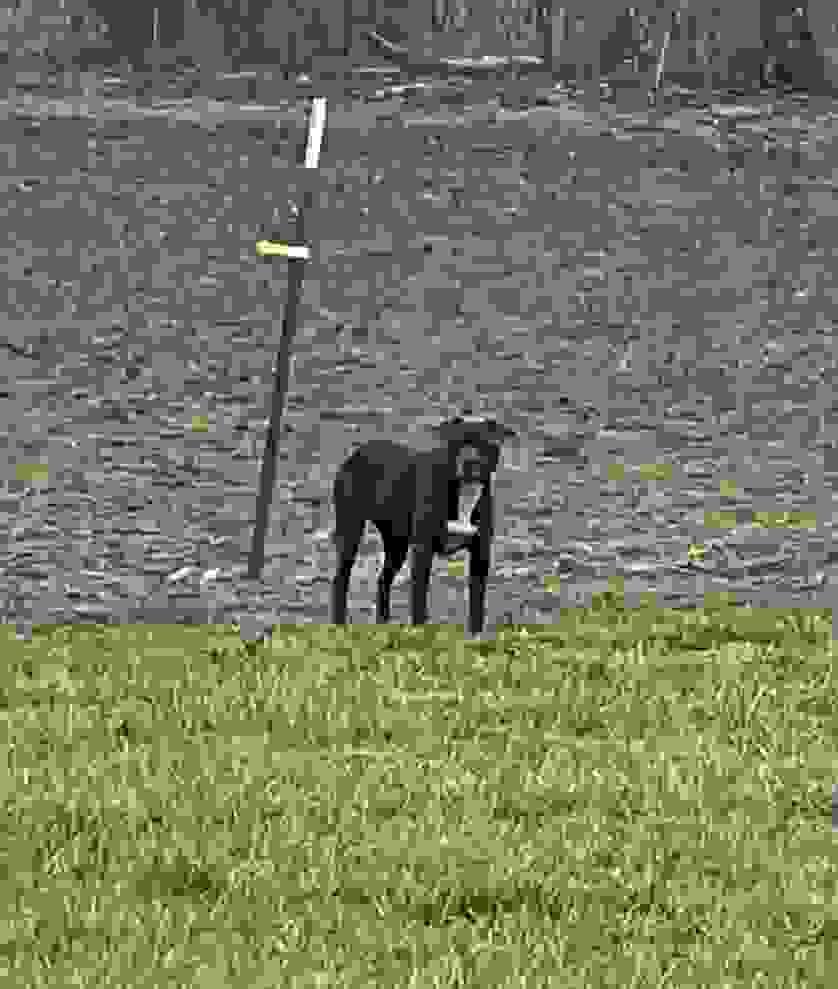
After a dog spends one full night outdoors, many enter survival mode:
- Loud sounds and sudden movement feel threatening
- Even friendly pets may flee from familiar people
- Instinct overrides training
From this point forward, pursuit almost always makes things worse.
Our goal becomes:Keep them nearby. Keep them returning. Recover safely.
Calming Methods When Your Pet Is in Sight
This moment matters more than anything else.
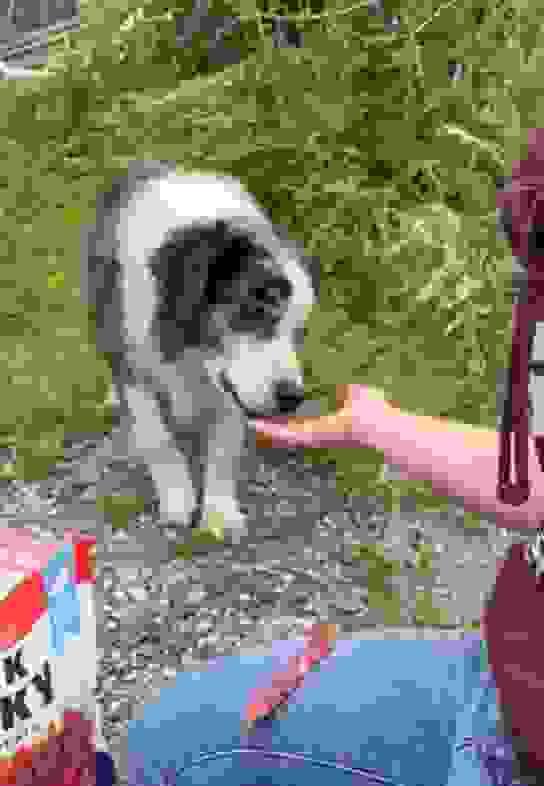
If you see your pet, do not rush. Even loving, well-trained pets can flee when approached too quickly—especially after time outdoors.
First: Regulate Yourself
Your pet reads your body before your voice.
- Stop moving
- Take a slow breath
- Lower your shoulders
- Relax your hands
- Remind yourself: slow is fast
Body Positioning
Turn your body sideways, not head-on
Avoid direct eye contact
- Bend knees slightly
- If safe, sit or crouch slowly
Move sideways or backwards, never forward quickly
Voice & Sound
Stay quiet at first
- If you speak, use a low, calm, familiar tone
Say their name once, softly
Do not:
Call repeatedly
- Clap
- Whistle
- Yell or cry loudly
- Movement Rules
Move slowly—painfully slowly
Pause often
- Let your pet close the distance
- If they stop, you stop
If they step away, you stay still
Hands & Leash Safety
Do not reach suddenly
- Keep hands low and still
- Let the leash hang quietly
- Secure calmly—no grabbing or lunging
- Read Their Signals
Good signs:
Soft ears
- Curiosity
- Sniffing
- Slow approach
- Stress signs (slow down):
Stiff body
- Whale eye
- Lip licking/yawning
- Freezing
- If stress appears, pause and give space.
If Your Pet Walks Away
Do not follow
- Do not call
- Do not pursue
- Backing off calmly often keeps them close and returning.
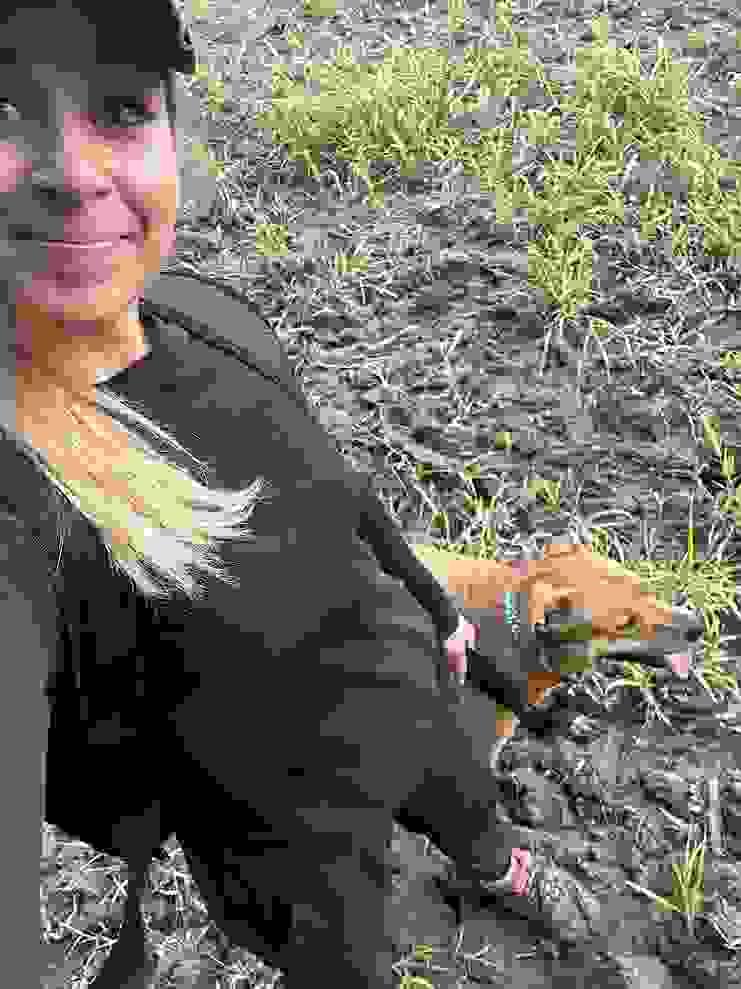
Timeline: What To Do and When
The First 5 Minutes
- Confirm they are truly gone
- Check closets, garages, sheds, crawl spaces, under porches.
- Gather essentials
- Recent photo, leash/harness, flashlight, phone charger.
- Quiet search
- Walk the immediate area calmly.
- Listen more than you speak.
If your pet does not come immediately, stop calling and move to setup mode.

Minutes 5–30: Notify & Secure
Notify immediate neighbors
Tell them:
- Your pet is missing
- Do not chase
- Please report sightings only (location + time)
Ask neighbors to:
- Check garages/sheds
- Secure gates
- Keep their own pets contained
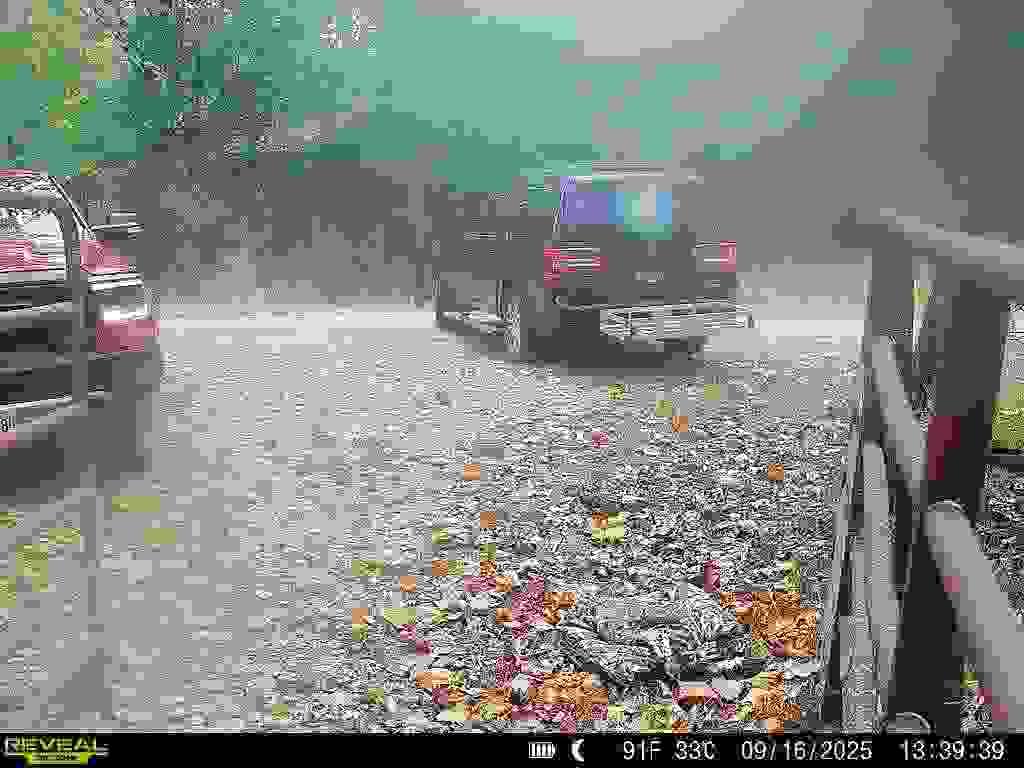
First 1–3 Hours: Build a Safe Return Plan
Create a scent “home base”
This is where your pet can return safely.
For dogs:
- Dog bed or blanket
- Your worn clothing
- Water bowl
- Food placed strategically
For cats:
- Covered shelter
- Familiar bedding
- Food and water
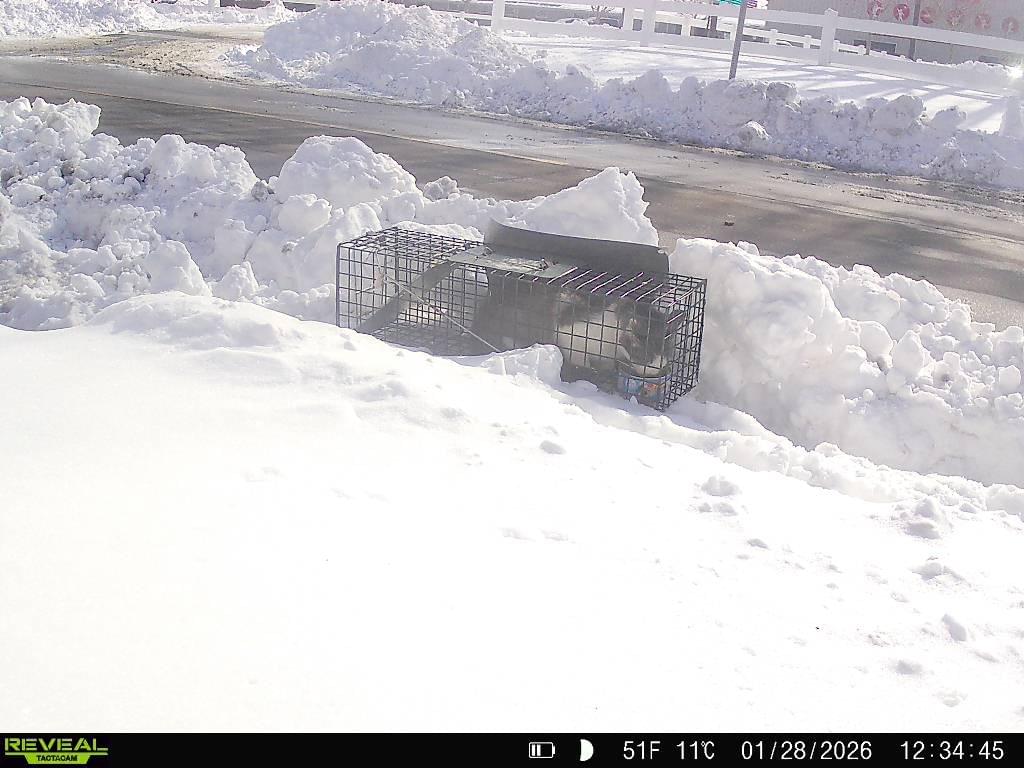
- Humane live trap (recommended)

The First Night
After the first night, shift fully into:
Attract → Monitor → Trap or RecoverDo not resume calling or chasing.
Days 1–7: Expand the Search Radius
- Day 1: Neighborhood and last-seen area
- Days 2–3: Entire town
- Days 3–7: Surrounding towns and travel corridors
Focus on:
Creeks and tree lines
- Back roads
- Industrial areas
- Feed stores and dumpsters
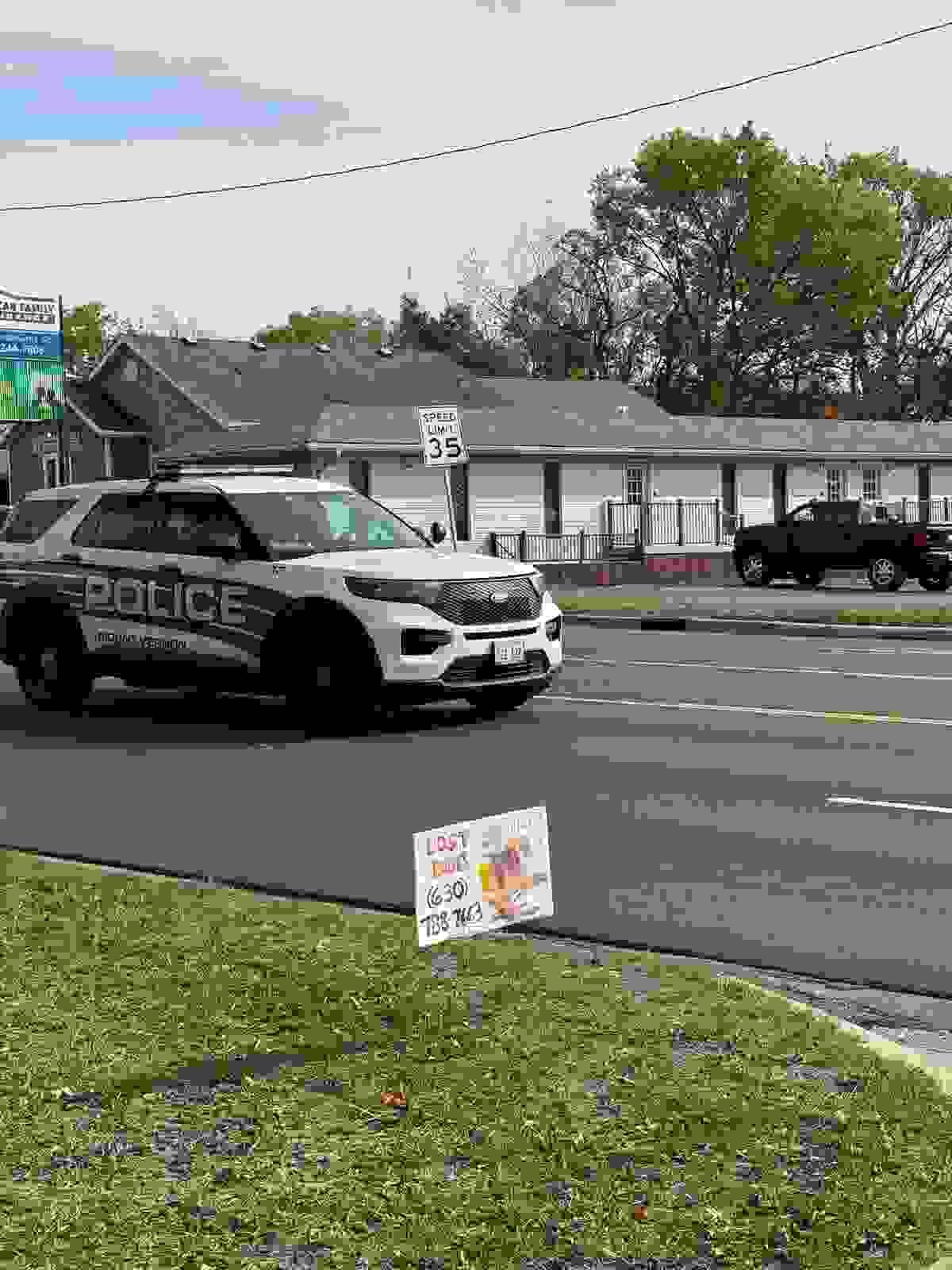
Sightings: What to Ask the Public to Do
Ask people to:
- Report location
- Time seen
- Direction of travel
- Behavior observed
Do NOT ask people to:
- Approach
- Feed
- Follow
- Call out
- Corner
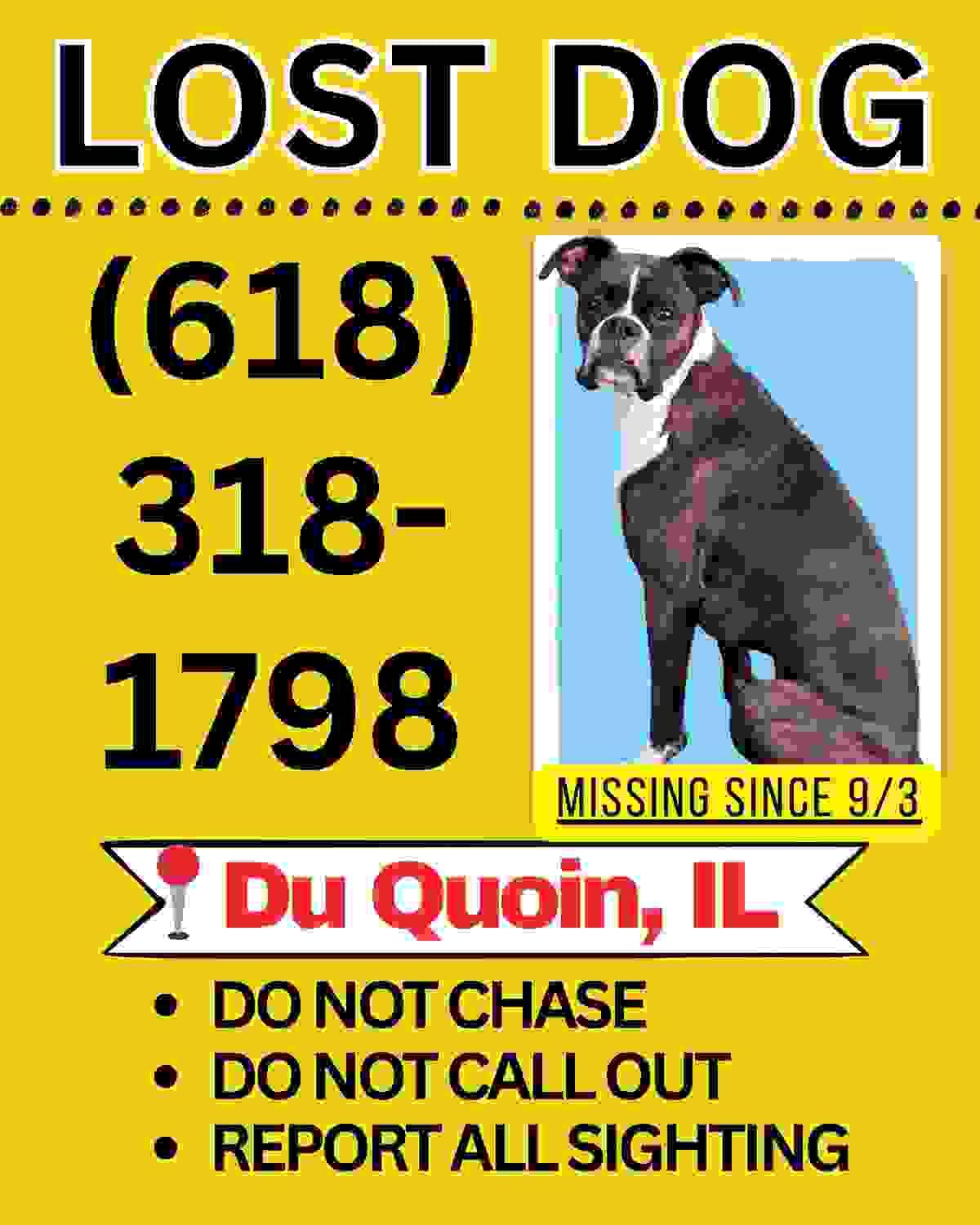
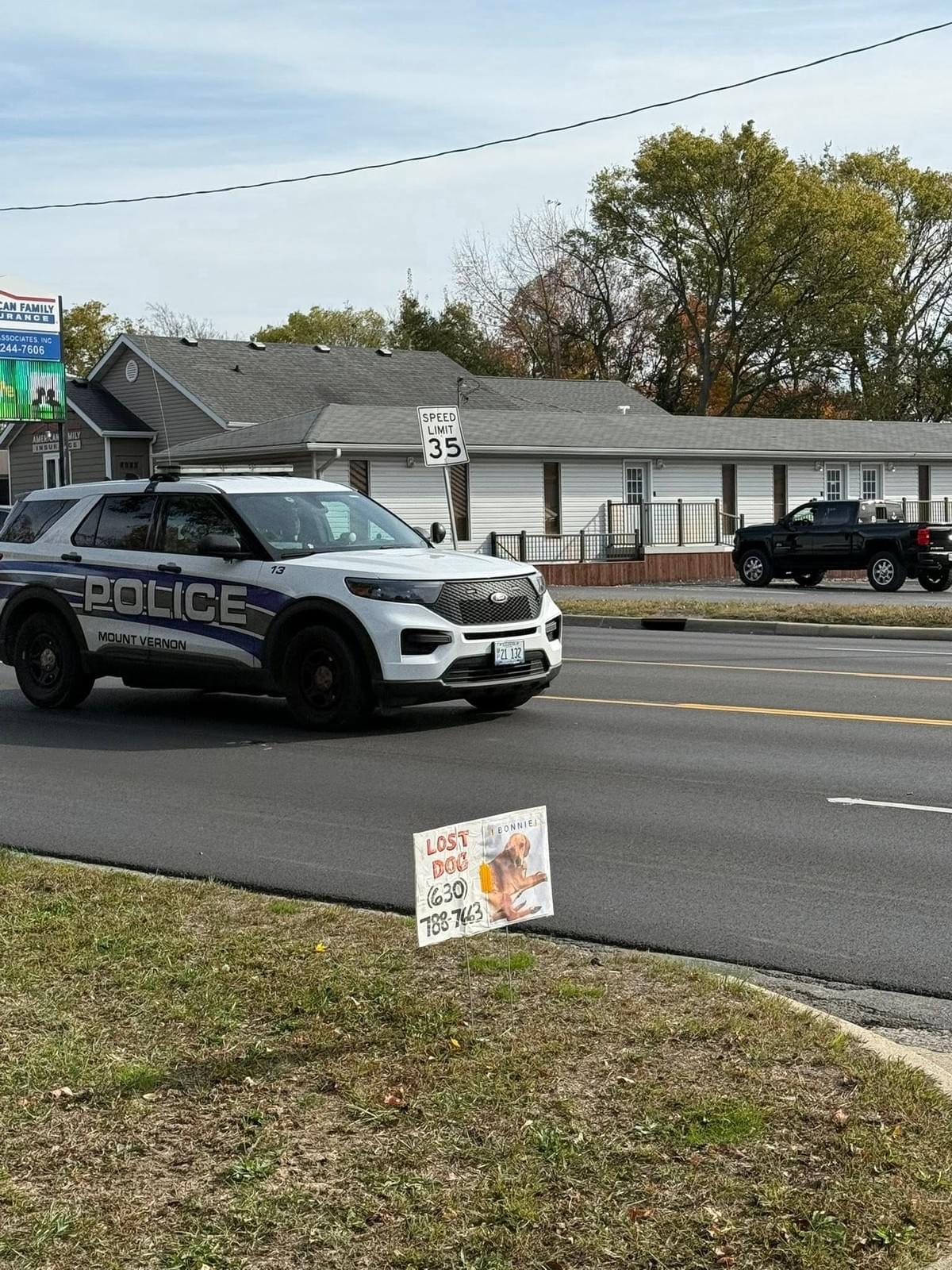
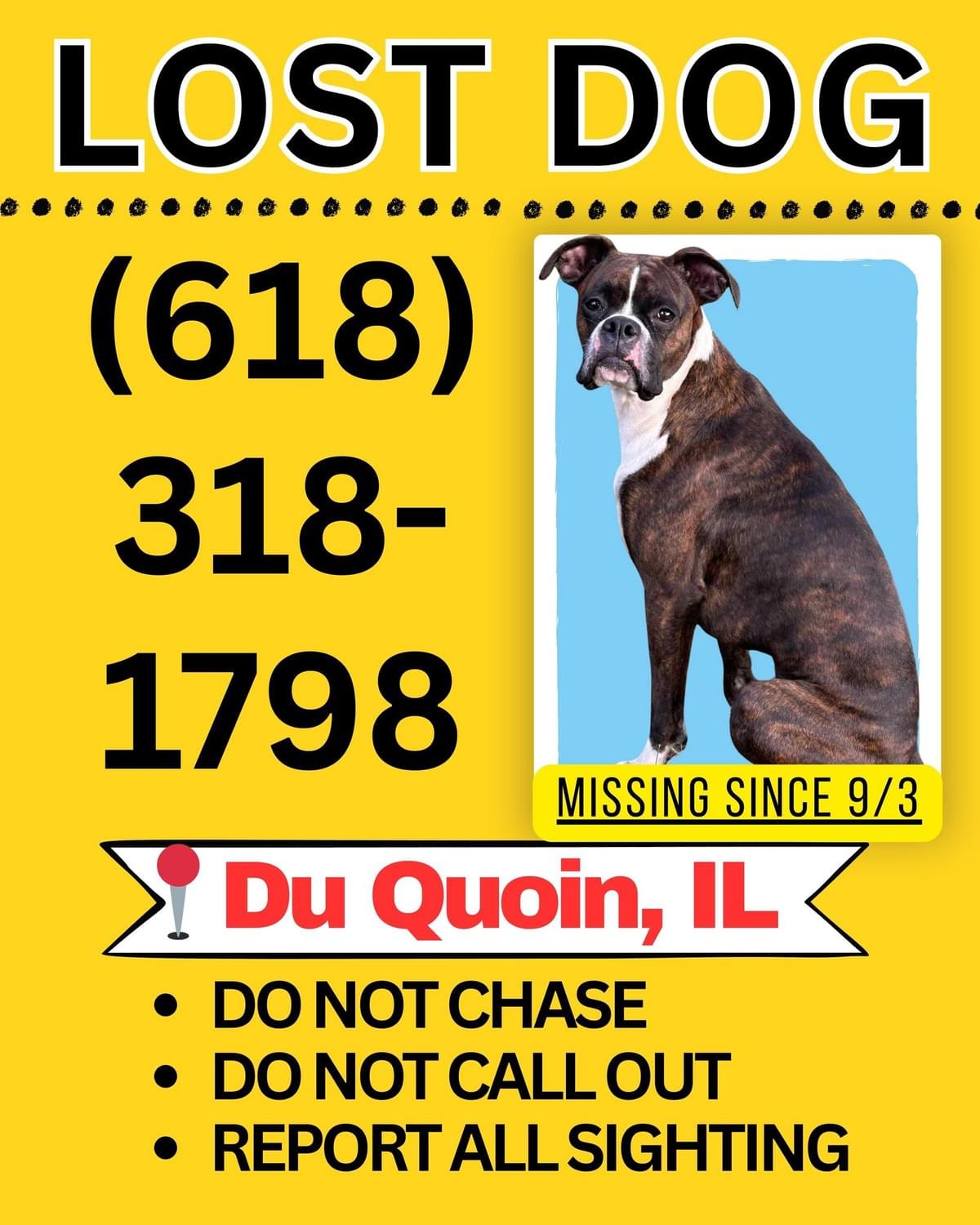
Lost Pet Signs (Bold & Bright)
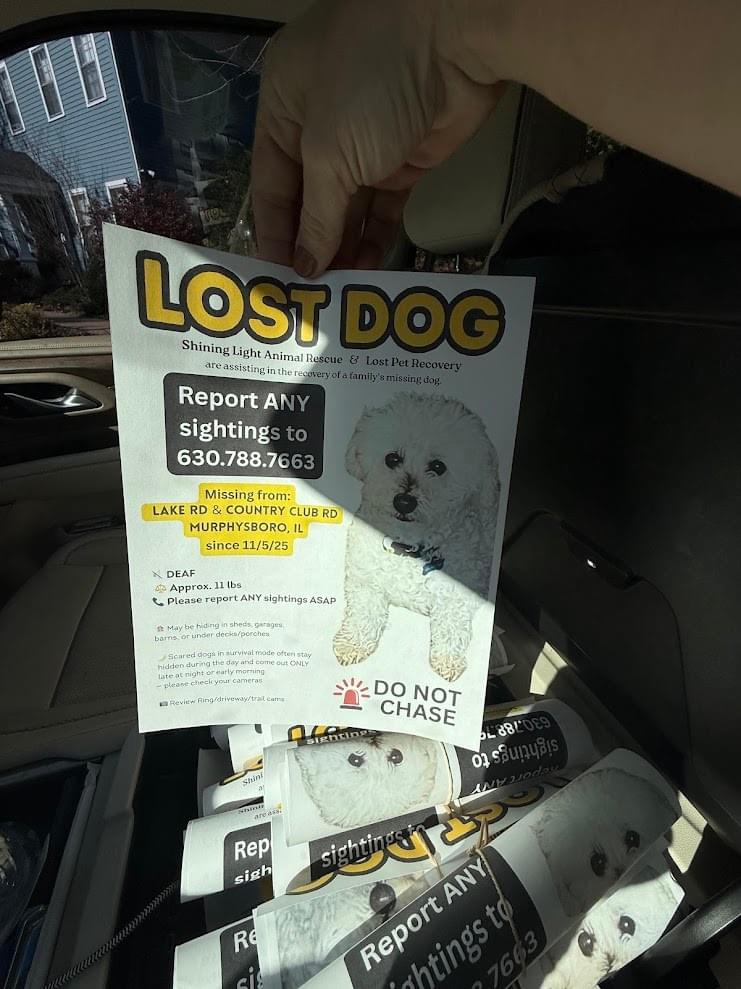
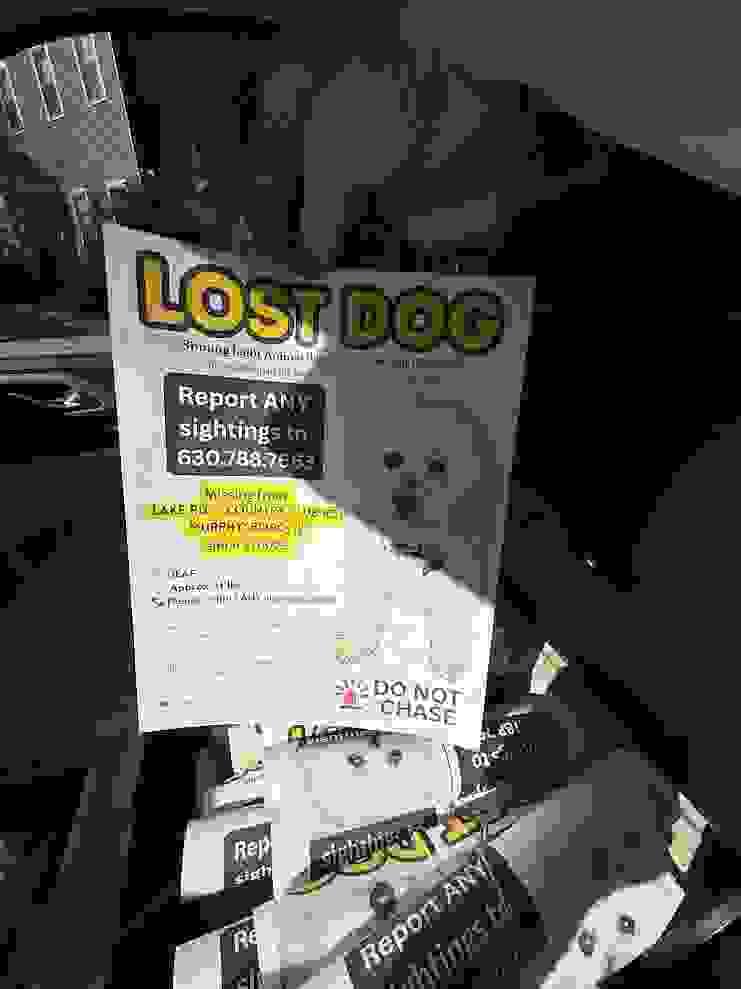
Use neon colors (yellow, pink, orange). Keep them simple.
Recommended format:
LOST DOG / LOST CAT PHOTO
NAMELAST SEEN: LOCATION + DATE
DO NOT CHASECALL / TEXT: NUMBER
REWARD (optional)
Place signs at:
- Major intersections
- Gas stations
- Feed stores
- Post offices
- Neighborhood entrances/exits
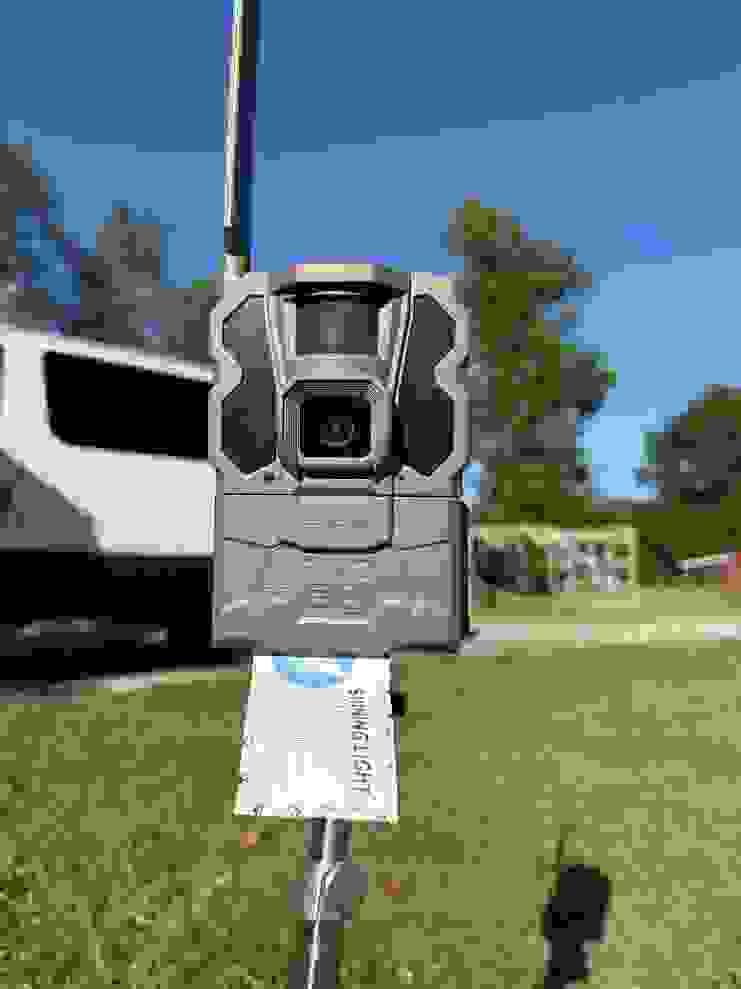
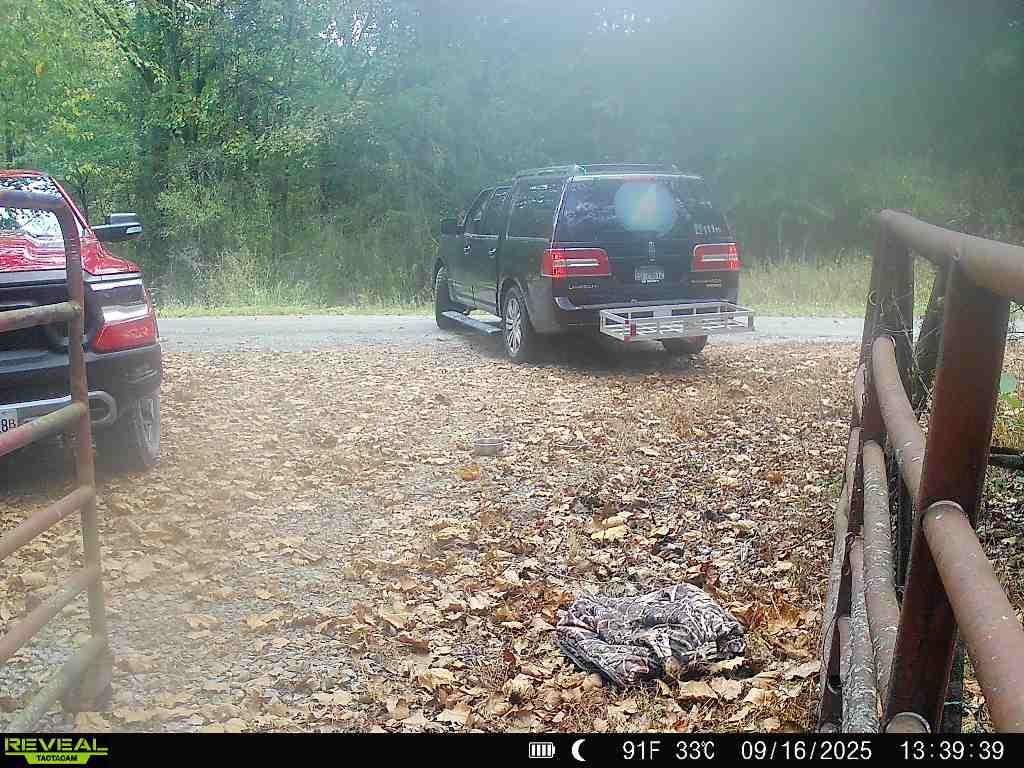
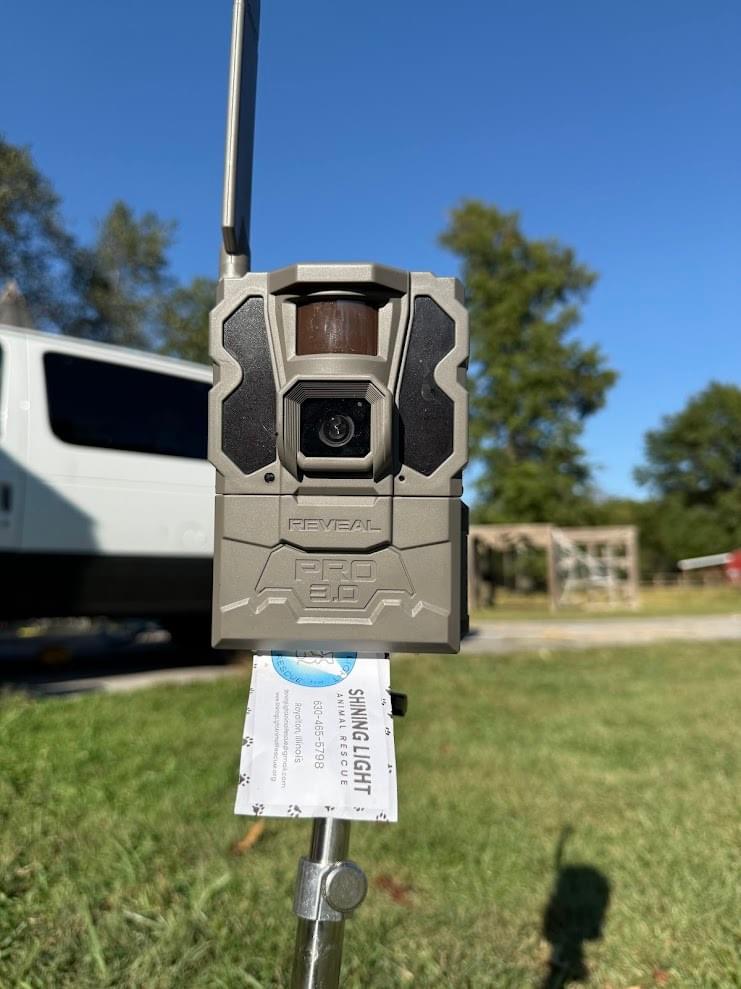
Trail Cameras (Highly Recommended)
A trail camera tells you:
- Are they coming back?
- What time?
- From what direction?
Borrow one or purchase locally.
Placement tips:
- Aim at food/scent station
- Low angle
- Stable mount
- Check quietly and infrequently

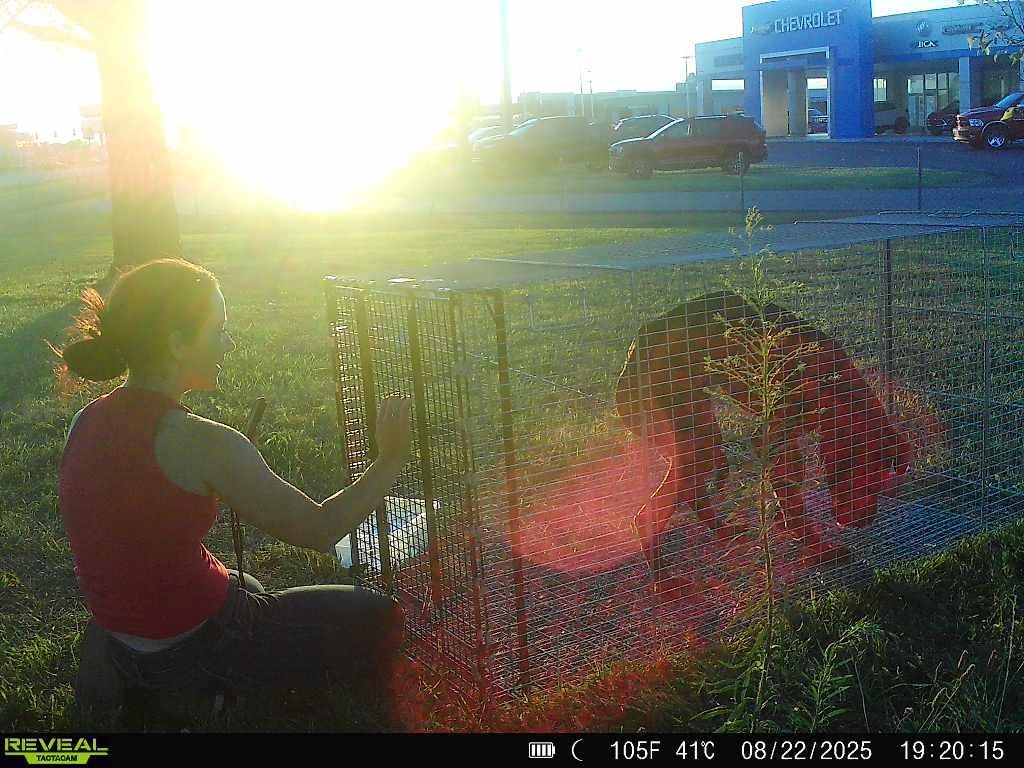
Live Traps (Very Important)
Cats
We recommend trapping for lost cats.
Cats often hide silently and avoid even familiar people.- Use a humane live trap
- Cover trap to reduce stress
- Monitor closely
Dogs
Dogs require the right trap for the dog and the situation.
Not all traps are appropriate
- Improper trapping can increase fear
- Professional guidance is often needed
- You may:
Borrow a trap
- Purchase from a local feed or farm store
- Reach out to experienced rescue teams
When to Ask for Professional Help
Please reach out at any point if:
- Your pet is fearful or in survival mode
- They’ve been missing more than 24–48 hours
- Sightings increase but recovery isn’t happening
- You feel overwhelmed
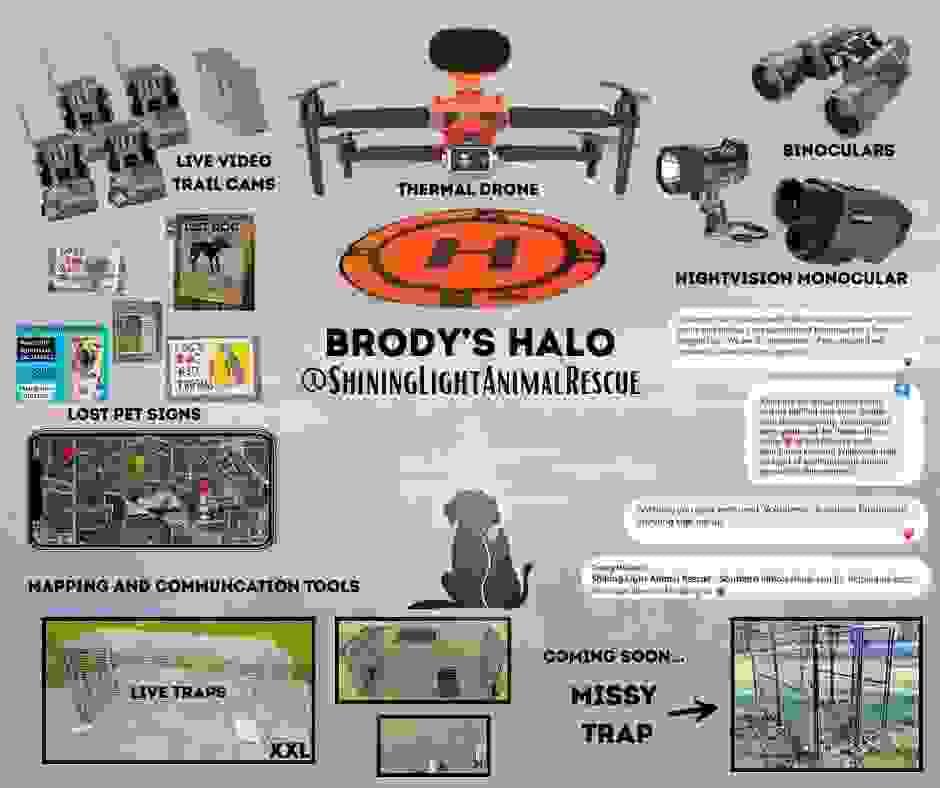
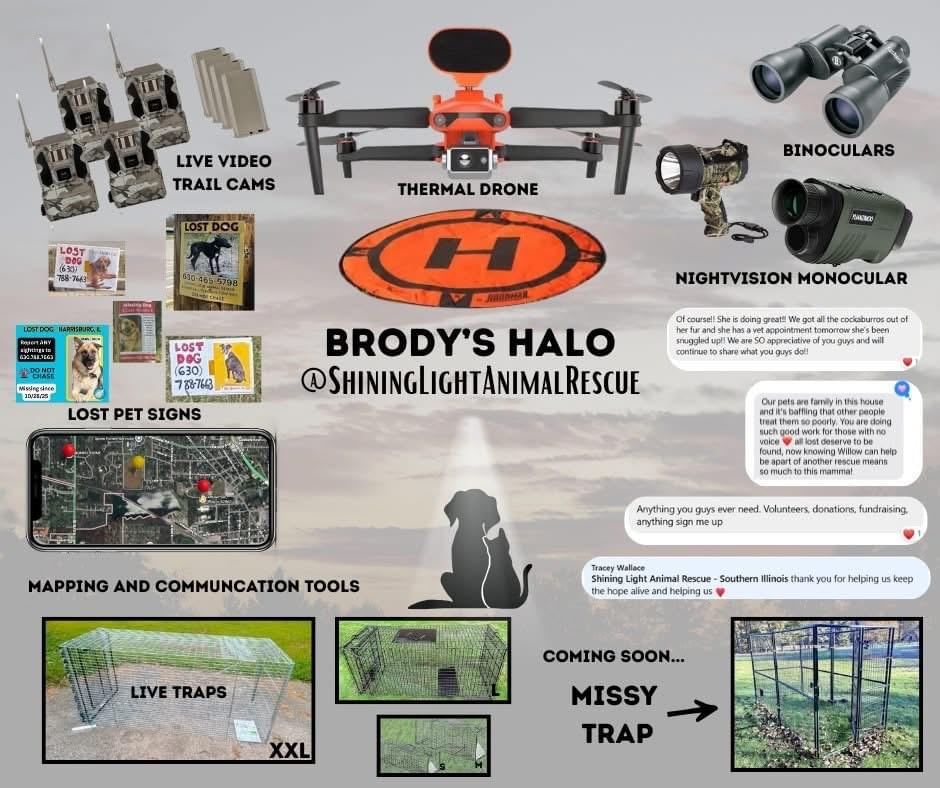
Brody’s Halo Assistance – Shining Light Animal Rescue
At Shining Light Animal Rescue (SLAR), we assist with lost pet recovery when resources allow.
We have:
- Live traps from kitten-size to large 8ft x 8ft enclosures
- Trail cameras
- Field recovery experience
Because rescue is our primary mission, lost pet assistance depends on:
- Available time
- Volunteers
- Donations
Submit a request for help here:
👉 https://www.shininglightanimalrescue.org/request-brody-s-halo-assistance
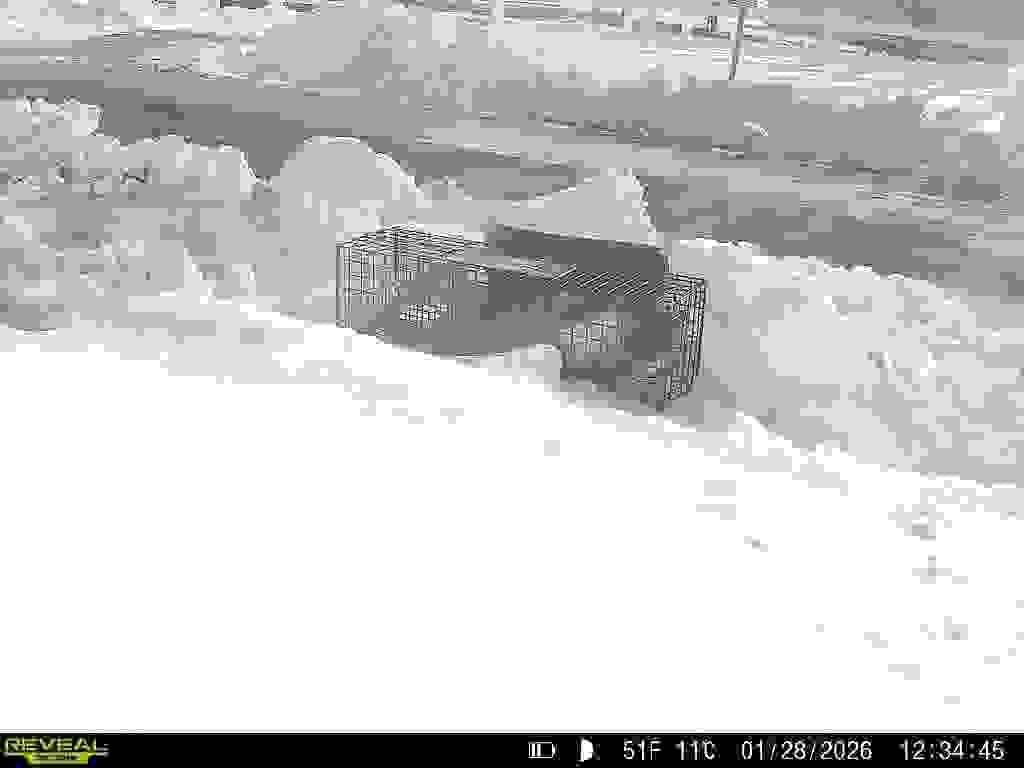
Final Reminder
Never chase. Never shout. Never rush.
Calm, strategy, and patience bring pets home.